Fostering Vocations
by Joseph Malzone | 10/24/2026 | Liturgy and Worship ReflectionsAs announced last weekend, our parish is launching the Vocational Formation Program for our children: an ambitious program designed to help foster a culture of vocations in the parish and cultivate a desire to discern priesthood and religious life in the program's participants. It was completely unintentional, but the day we are launching the Program, November 1, just so happens to be the start of National Vocation Awareness Week in the Catholic Church in the United States. When things like this seemingly too perfectly coincide, it's sometimes referred to as "God-instances".
Continue
A Welcoming and Gifted Community
by Fr. Paul Celestine Lokunume | 10/23/2026 | Weekly ReflectionDear friends,
A week ago I wrote an article on the merits of frequent Confessions as a means for us to reconcile with God, with ourselves, and with others. A well-prepared and intentional Confession makes one grow in humility and reminds us that we all need God's mercy. We all need spiritual healing and peace.
Continue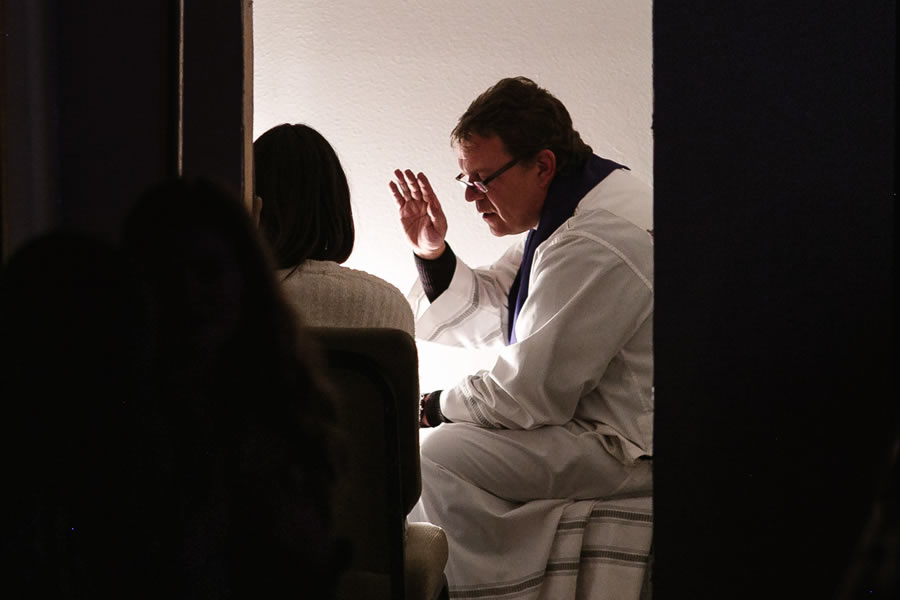
Frequent Confession is a Noble Act of Faith
by Fr. Paul Celestine Lokunume | 10/16/2026 | Weekly ReflectionDear friends, A young man once asked his Pastor: "Father, I haven't committed any serious sins. Do I really need to go to Confession often?"
The priest smiled and replied: "My son, Confession isn't only for those who have fallen badly. It's also for those who want to grow in holiness."
Many Catholics think the Sacrament of Reconciliation is something to receive only after committing a grave sin. But the Church encourages frequent Confession, even for those who are sincerely striving to live a holy life.
ContinueIn Rome - Part 2
by Joseph Malzone | 10/10/2026 | Liturgy and Worship ReflectionsOn Friday, we traveled 200 miles to the northeast to a small town overlooking the Adriatic Sea to visit the Basilica of the Holy House in Loreto, where Fr. Robert celebrated Mass. This Basilica is built around and protects a very special building located right in its center, that being the Santa Casa.
Continue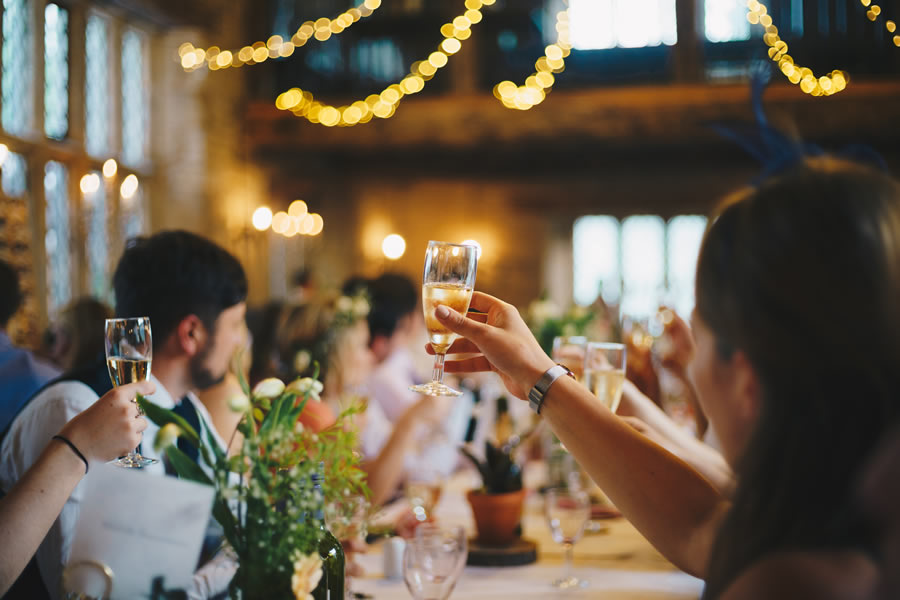
Invitation to the Feast
by Fr. Robert Aliunzi | 10/09/2026 | Weekly ReflectionDear friends,
Africans love feasts!
We love wedding feasts, ordination celebrations, anniversaries, birthdays, graduations, and memorials. Whenever there is something important to celebrate, we know how to celebrate it-and we do not like to celebrate alone!
ContinueIn Rome
by Joseph Malzone | 10/03/2026 | Liturgy and Worship ReflectionsToday in Rome on our young adult pilgrimage, Fr. Robert is celebrating Mass at the Mamertine Prison, the oldest prison in Rome. It sits directly adjacent to the Roman Forum on the northeastern slope of the Capitoline Hill, and Tradition holds that at separate times, St. Peter and St. Paul were once imprisoned here in the prison's subterranean dungeon during their trial before their martyrdom.
Continue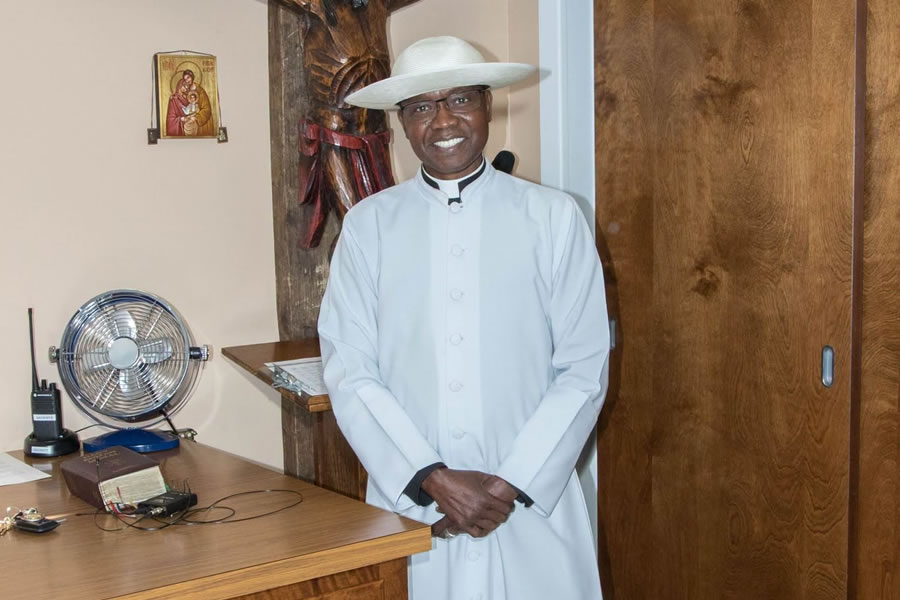
Reflections on my 35th Anniversary of Priestly Ordination
by Fr. Robert Aliunzi | 10/02/2026 | Weekly ReflectionDear Friends,
Thank you so much for organizing a memorable celebration of the 35th anniversary of my priestly ordination two weeks ago.
As I look back over these 35 years of service, many memories come to my mind: moments of joy and moments of challenge, moments of success and moments of uncertainty and even moments of failure ... Yet through it all one reality has remained constant and at the core of my priesthood: God's abiding presence in my life and the Holy Eucharist, the Bread of Life. I'm deeply grateful for all these.
Continue